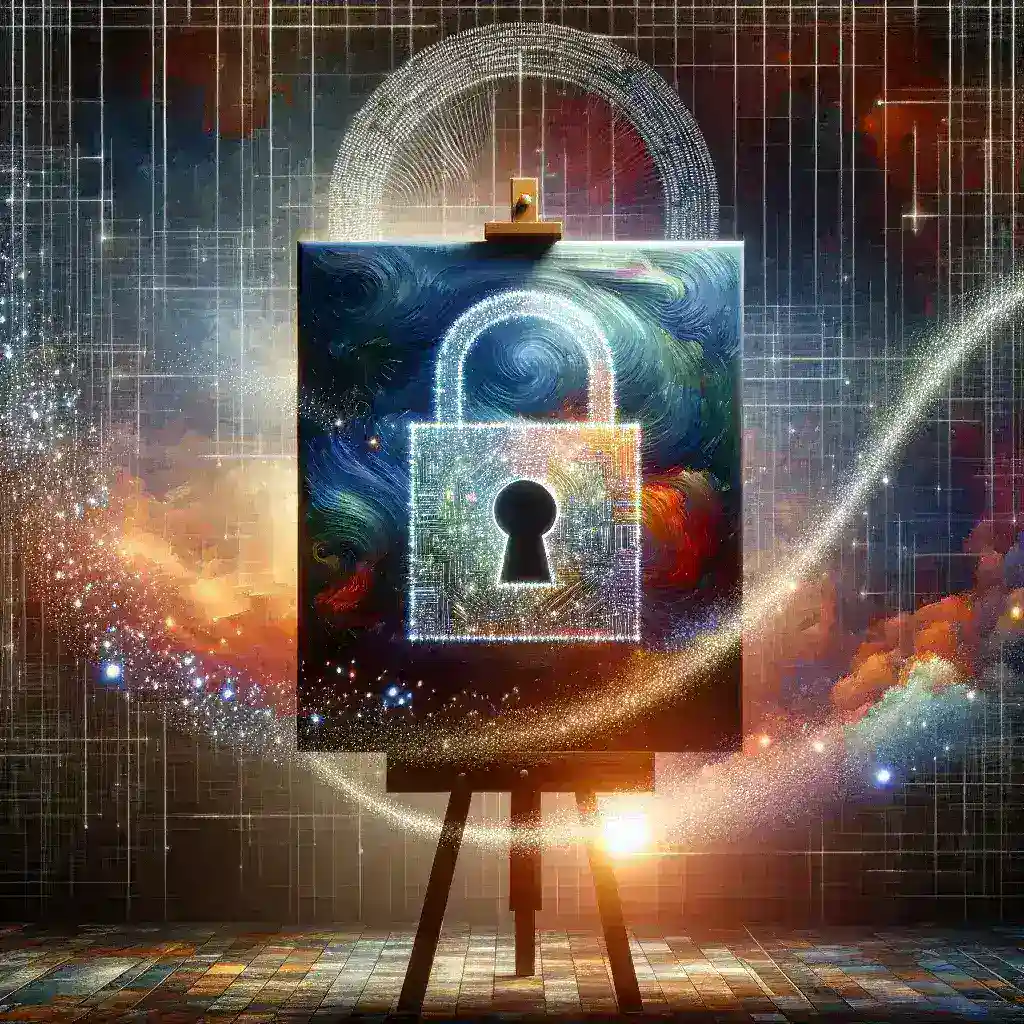
The digital art revolution has fundamentally transformed how we create, distribute, and collect artwork. As the market for digital creations continues to expand exponentially, reaching billions of dollars in value, the need for reliable authentication systems has become paramount. Digital artwork authentication platforms have emerged as the cornerstone technology protecting both artists and collectors from fraud while establishing provenance in an increasingly complex digital landscape.
Understanding Digital Art Authentication
Digital artwork authentication represents a sophisticated process of verifying the originality, ownership, and provenance of digital creative works. Unlike traditional physical art, which can be examined for brushstrokes, canvas texture, and material composition, digital art exists as data files that can be infinitely copied without degradation. This fundamental characteristic creates unique challenges that authentication platforms must address through innovative technological solutions.
The authentication process typically involves creating a unique digital fingerprint for each artwork, establishing a permanent record of its creation, and tracking its ownership history. These platforms utilize advanced cryptographic techniques to ensure that once an artwork is authenticated, its record cannot be tampered with or falsified.
Blockchain Technology: The Foundation of Trust
At the heart of most digital artwork authentication platforms lies blockchain technology. This distributed ledger system provides an immutable record of transactions and ownership transfers, creating an unbreakable chain of custody for digital artworks. When an artist uploads their work to a blockchain-based authentication platform, the system generates a unique cryptographic hash that serves as the artwork’s digital DNA.
The blockchain’s decentralized nature ensures that no single entity can manipulate the authentication records. Each transaction is verified by multiple network participants, making fraudulent activities virtually impossible. This transparency builds confidence among collectors and investors, knowing that their digital art purchases are backed by verifiable proof of authenticity.
Smart Contracts and Automated Verification
Smart contracts play a crucial role in automating the authentication process. These self-executing contracts contain predefined rules and conditions that automatically trigger when specific criteria are met. For digital artwork, smart contracts can automatically verify artist credentials, check for previous registrations of similar works, and ensure compliance with platform standards before issuing authentication certificates.
Non-Fungible Tokens (NFTs) and Ownership Rights
The rise of Non-Fungible Tokens has revolutionized digital art ownership and authentication. NFTs serve as unique digital certificates that prove ownership of specific digital assets. When combined with authentication platforms, NFTs provide a comprehensive solution for establishing both authenticity and ownership rights.
Each NFT contains metadata that links to the original artwork file and includes information about the creator, creation date, and ownership history. This metadata is stored on the blockchain, ensuring permanent accessibility and verification. The non-fungible nature of these tokens means that each one is unique and cannot be replicated, providing collectors with genuine digital ownership certificates.
Leading Authentication Platform Features
Modern digital artwork authentication platforms incorporate several essential features designed to provide comprehensive protection and verification services:
- Biometric Artist Verification: Platforms use advanced identity verification systems to ensure that only legitimate artists can register and authenticate their works.
- Reverse Image Search Technology: Sophisticated algorithms scan the internet and platform databases to identify potential duplicates or unauthorized copies.
- Timestamping Services: Precise creation timestamps provide irrefutable proof of when an artwork was first created and registered.
- Provenance Tracking: Complete ownership history tracking from creation through all subsequent transfers and sales.
- Certificate Generation: Digital certificates that can be easily verified by third parties, including galleries, auction houses, and insurance companies.
Industry Impact and Market Growth
The digital art authentication market has experienced remarkable growth, driven by increasing awareness of intellectual property rights and the expanding digital art market. Industry analysts project continued expansion as more artists, collectors, and institutions recognize the importance of proper authentication systems.
Major auction houses and galleries have begun integrating authentication platforms into their operations, requiring proper documentation before accepting digital artworks for sale. This institutional adoption has significantly increased the credibility and importance of authentication platforms in the art world.
Artist Empowerment and Protection
For artists, authentication platforms provide unprecedented control over their creative works. Artists can establish definitive proof of creation, set royalty terms for future sales, and protect against unauthorized reproduction. Many platforms also offer tools for artists to track how their works are being used and shared across the internet.
Challenges and Solutions
Despite their advantages, digital artwork authentication platforms face several challenges. Technical scalability remains a concern as blockchain networks can become congested during high-traffic periods. Environmental concerns related to energy consumption have also prompted the development of more sustainable blockchain solutions.
Platform interoperability presents another challenge, as artworks authenticated on one platform may not be easily verifiable on another. Industry leaders are working toward establishing common standards and protocols to enable seamless cross-platform verification.
Future Developments and Innovations
The future of digital artwork authentication platforms looks promising, with several exciting developments on the horizon. Artificial intelligence integration will enhance fraud detection capabilities, while quantum-resistant cryptography will ensure long-term security against emerging threats.
Augmented reality features are being developed to allow collectors to display their authenticated digital artworks in virtual galleries and exhibitions. Integration with traditional art markets through hybrid physical-digital authentication systems is also gaining traction.
Selecting the Right Authentication Platform
When choosing a digital artwork authentication platform, artists and collectors should consider several factors:
- Platform reputation and track record in the industry
- Technical infrastructure and security measures
- User interface and ease of use
- Cost structure and fee transparency
- Integration capabilities with other art market platforms
- Customer support and dispute resolution processes
The Road Ahead
Digital artwork authentication platforms represent a critical infrastructure component in the evolving digital art ecosystem. As technology continues to advance and the market matures, these platforms will likely become even more sophisticated and user-friendly. The integration of emerging technologies such as machine learning, advanced cryptography, and decentralized storage solutions will further strengthen the security and reliability of digital art authentication.
For the art world, these platforms offer a bridge between traditional collecting practices and the digital future. They provide the trust and verification mechanisms necessary for digital art to achieve the same level of respect and value as traditional physical artworks. As adoption continues to grow, digital artwork authentication platforms will play an increasingly important role in shaping the future of art collection and trade in the digital age.
The success of these platforms ultimately depends on continued innovation, industry collaboration, and the establishment of widely accepted standards that serve the needs of all stakeholders in the digital art ecosystem.
Leave a Reply